
Autologous stem cell therapy is a regenerative treatment that uses a patient’s own cells to support healing and tissue repair. “Autologous” means that the cells are collected from the same individual who will receive the treatment. This approach is widely valued because it minimizes the risk of immune rejection and allergic reactions.
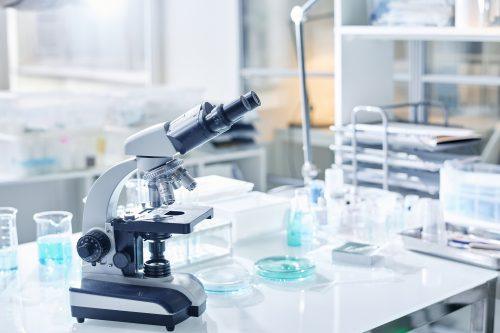
In most cases, stem cells are obtained from adipose (fat) tissue or from blood. These sources are rich in regenerative cells and can be collected through relatively simple medical procedures. After collection, the cells are processed in a specialized laboratory to concentrate and prepare them for therapeutic use. They are then reintroduced into the body, often by injection into the targeted area.
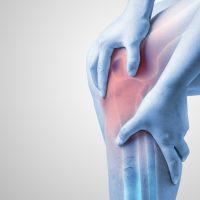
One of the major advantages of autologous stem cell therapy is its high safety profile. Since the cells are biologically compatible, the treatment works in harmony with the body’s natural healing system. This makes it suitable for conditions such as joint pain, inflammation, skin aging, and tissue degeneration.
Rather than forcing artificial changes, autologous stem cells support recovery by enhancing the body’s own regenerative capacity. For patients seeking natural and personalized medical care, this therapy represents a balanced approach between innovation and biological safety.